
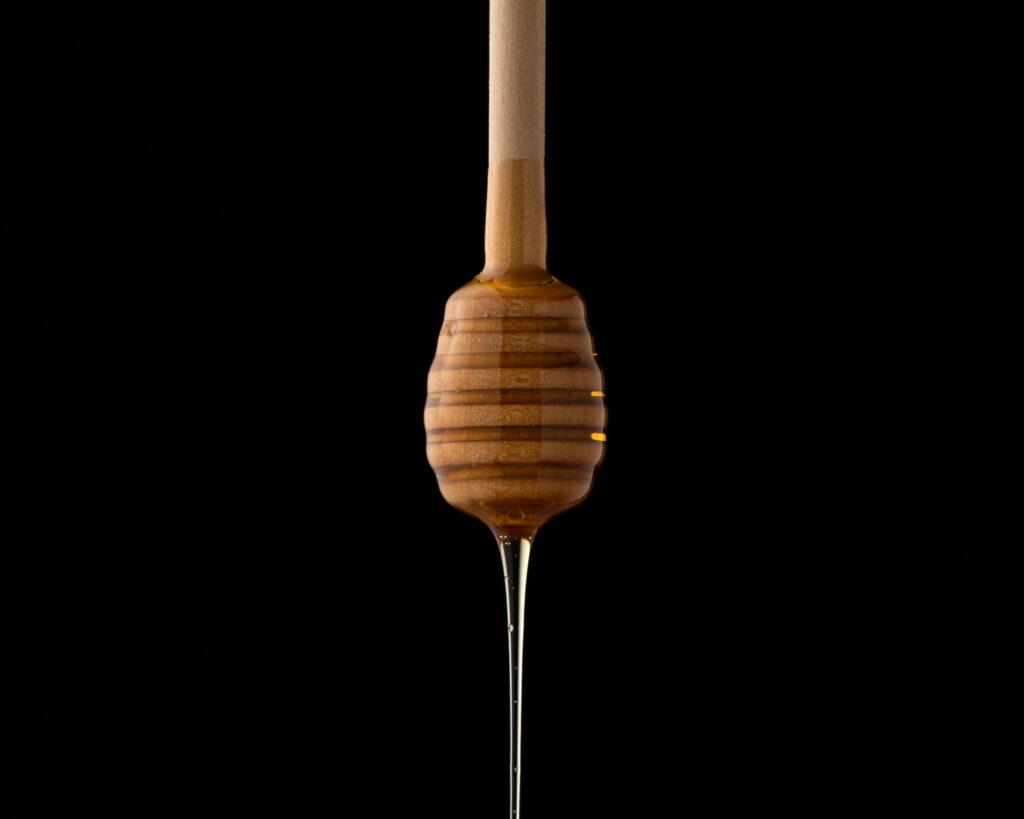
Nestled in the lush, mountainous region of Upper Adjara, Georgia, a centuries-old beekeeping tradition produces one of the country’s most prized treasures: Jara honey. This extraordinary honey, made using sustainable and ancient methods, is not only a testament to Georgia’s rich cultural heritage but also a beacon for environmentally friendly agricultural practices. Known for its purity, distinctive flavor, and medicinal properties, Jara honey stands out as a unique product of the region’s biodiversity and traditional craftsmanship.
This article delves into the fascinating world of Upper Adjara’s Jara honey, covering its history, production methods, ecological significance, and why it has captured the attention of honey enthusiasts worldwide.
1. What is Jara Honey?
Jara honey refers to honey produced using traditional beekeeping techniques in hollowed-out logs, known locally as jara. These log hives mimic the natural nesting habitats of wild bees, creating an environment where bees can thrive with minimal human intervention. Jara honey is renowned for its exceptional purity, as the bees are left undisturbed during the production process, resulting in a natural and unadulterated product.
The honey’s distinct taste comes from the diverse flora of Upper Adjara, where bees forage on the nectar of wildflowers, herbs, and trees native to the region. This biodiversity lends Jara honey a complex flavor profile, often described as floral, woody, and slightly tangy, with a long, rich aftertaste.
2. The Unique Beekeeping Tradition of Upper Adjara
The production of Jara honey dates back centuries and is deeply rooted in the cultural heritage of Upper Adjara. This mountainous region, characterized by its dense forests and pristine ecosystems, provides the ideal environment for traditional beekeeping practices. Local beekeepers, often from families that have passed down their skills for generations, maintain the art of Jara honey production with great care and reverence for nature.
Hollowed-Log Hives: A Sustainable Approach
The hallmark of Jara honey production is the use of hollowed-log hives. These hives are carved from trees, usually linden or chestnut, which are abundant in the region. The process involves:
- Selecting the Log: Beekeepers choose logs that are large and sturdy, ensuring they can house a healthy bee colony.
- Hollowing the Log: The interior of the log is carefully hollowed out, creating a natural-looking cavity where bees can build their combs.
- Sealing and Placement: The log is sealed with natural materials like clay or cow dung to protect the hive from the elements and predators. It is then placed high in trees or on specially constructed platforms, mimicking the bees’ natural nesting habits.
This method not only preserves the natural behavior of bees but also minimizes their exposure to pesticides, antibiotics, and other artificial interventions common in modern beekeeping.
3. How Jara Honey is Produced
The production of Jara honey is a meticulous and patient process that respects the life cycle of bees. Beekeepers follow several key steps to ensure the honey’s purity and quality:
- Natural Colony Development: Unlike conventional beekeeping, Jara beekeepers do not introduce pre-fabricated frames or artificial combs. Instead, they allow the bees to build their combs naturally within the hollowed logs.
- Minimal Intervention: Beekeepers rarely open the hives, only doing so when absolutely necessary. This approach reduces stress on the bees and ensures they can focus on collecting nectar and producing honey.
- Harvesting: Honey is harvested only once or twice a year, depending on the availability of nectar and the health of the colony. Beekeepers carefully remove the honeycombs without damaging the hive, ensuring the bees can continue their work uninterrupted.
The result is a raw, unprocessed honey that retains all of its natural enzymes, vitamins, and nutrients.
4. Characteristics of Jara Honey
Jara honey is celebrated for its unique characteristics, which set it apart from other types of honey:
- Flavor and Aroma: Its flavor is complex, reflecting the diverse flora of Upper Adjara. The aroma is rich and earthy, with notes of wildflowers and forest herbs.
- Texture: The honey has a thick, velvety texture, often with small bits of natural pollen and beeswax.
- Color: Jara honey ranges from golden amber to deep brown, depending on the types of plants the bees forage on during the season.
- Health Benefits: Packed with antioxidants, antibacterial properties, and natural enzymes, Jara honey is often used in traditional medicine for treating colds, wounds, and digestive issues.
5. Ecological and Cultural Significance
Preservation of Biodiversity
The production of Jara honey is inherently sustainable, as it relies on the natural behaviors of bees and supports the health of local ecosystems. By foraging on a wide variety of wild plants, bees play a crucial role in pollination, contributing to the preservation of Upper Adjara’s rich biodiversity.
Support for Local Communities
Jara honey production provides an important source of income for rural communities in Upper Adjara. Many families depend on beekeeping as a primary or supplementary livelihood, and the growing interest in Jara honey has helped revive traditional practices that were at risk of disappearing.
Cultural Heritage
Beekeeping in Upper Adjara is more than just an economic activity; it is a cultural tradition passed down through generations. The methods used to produce Jara honey reflect a deep understanding of nature and a commitment to harmonious coexistence with the environment.
6. Challenges Facing Jara Honey Production
Despite its many benefits, Jara honey production faces several challenges:
- Declining Bee Populations: Like bees worldwide, the bees of Upper Adjara are threatened by habitat loss, climate change, and diseases such as colony collapse disorder.
- Labor-Intensive Process: The traditional methods of producing Jara honey are time-consuming and require significant skill, which can make it difficult to compete with mass-produced honey.
- Market Access: While Jara honey is gaining recognition internationally, many local beekeepers face challenges in marketing their products and reaching global markets.
Efforts are being made by organizations and the Georgian government to address these challenges through education, funding, and the promotion of sustainable beekeeping practices.
7. How to Recognize Authentic Jara Honey
Due to its growing popularity, Jara honey has become a target for counterfeit products. To ensure you are purchasing authentic Jara honey, look for the following:
- Certification: Genuine Jara honey is often certified by local or international organizations that verify its origin and production methods.
- Raw and Unprocessed: Authentic Jara honey is raw and unfiltered, with no additives or heat treatment. It may contain natural particles like pollen or beeswax.
- Geographical Indication: True Jara honey is produced in Upper Adjara, so check the label for information about its origin.
8. Visiting Upper Adjara: A Beekeeping Experience
For those interested in experiencing Jara honey production firsthand, Upper Adjara offers an unforgettable journey into the heart of Georgia’s beekeeping culture. Visitors can explore the region’s picturesque landscapes, meet local beekeepers, and even participate in traditional honey-harvesting activities.
What to See and Do
- Beekeeping Tours: Many local beekeepers welcome visitors to their apiaries, where they can observe the hollowed-log hives and learn about the production process.
- Honey Tasting: Experience the unique flavors of Jara honey through guided tastings, often accompanied by local dishes and wine.
- Cultural Immersion: Upper Adjara is home to vibrant traditions, including folk music, dance, and cuisine. A visit to the region offers a chance to immerse yourself in Georgian culture.
9. The Future of Jara Honey
As the demand for natural and sustainable products grows, Jara honey has the potential to become a flagship product of Georgia’s agricultural sector. Efforts to protect bee populations, promote traditional beekeeping methods, and expand market access will be key to ensuring the long-term success of Jara honey production.
Organizations like Slow Food International and local NGOs are working to preserve this unique tradition by providing training to beekeepers, promoting biodiversity, and raising awareness about the ecological importance of bees.
10. Why Jara Honey Matters
Jara honey is more than just a delicious and nutritious product; it is a symbol of the harmonious relationship between humans and nature. Its production reflects a commitment to sustainability, cultural heritage, and the preservation of biodiversity. By supporting Jara honey, consumers can contribute to the survival of this ancient tradition and the livelihoods of the communities that uphold it.
Whether you are a food enthusiast, a nature lover, or a supporter of sustainable practices, Jara honey offers a taste of Georgia’s rich heritage and a glimpse into the timeless bond between people and the environment.
Upper Adjara’s Jara honey is not only a culinary delight but also a valuable cultural and ecological treasure. By understanding its origins, appreciating its significance, and supporting its producers, we can ensure that this ancient tradition continues to thrive for generations to come.
Join our affiliate community and earn more—register now!
Sign up for our affiliate program and watch your earnings grow!
Partner with us and earn recurring commissions—join the affiliate program!
Refer and earn up to 50% commission—join now!
Share our products, reap the rewards—apply to our affiliate program!
Pingback: hello world
https://shorturl.fm/0tZJX
https://shorturl.fm/356E9
https://shorturl.fm/TbYAw
https://shorturl.fm/4CS4q
https://shorturl.fm/QFpFC
https://shorturl.fm/QS7uH
https://shorturl.fm/Z875w
Pingback: semaglutide ozempic price
https://shorturl.fm/h5gNK
https://shorturl.fm/KCY4x
Pingback: tadalafil amazon uk
https://shorturl.fm/hvwNV
https://shorturl.fm/2CbMy
https://shorturl.fm/NFxC2
https://shorturl.fm/sbWrS
Pingback: ketoconazole mechanism article
Pingback: acular ketorolac effectiveness
Pingback: ketorolac tromethamine warnings
Pingback: toradol duration explained
https://shorturl.fm/8hZQ7
https://shorturl.fm/7Khum
https://shorturl.fm/S2Kgn
https://shorturl.fm/ROHzi
Heard some buzz about Vuagaaz1. Gonna check it out and see what all the fuss is about. Maybe it will become my new favorite: vuagaaz1.
Jii7777 offers all the hits. Site navigation is intuitive so finding what you’re lookin for doesn’t take all day! See for yourself with jii7777.
Alright mates, just had a crack at bet364games and gotta say, it’s not bad! The selection of games is decent and the site is easy enough to navigate. Give it a go if you’re looking for a new spot to try your luck. Check it out: bet364games
https://shorturl.fm/UjVrP
Pingback: minoxidil evidence library
Pingback: minoxidil foam vs liquid performance
https://shorturl.fm/9I12I
Pingback: minoxidil pk systemic exposure
https://shorturl.fm/nzFb2
https://shorturl.fm/E5lQl
https://shorturl.fm/GBm9o
https://shorturl.fm/3VZhy
https://shorturl.fm/6r8uv
https://shorturl.fm/WRckl
https://shorturl.fm/aG0q4
https://shorturl.fm/UG7zi
https://shorturl.fm/Lfgoq
https://shorturl.fm/Odl9N
https://shorturl.fm/ygEKj
Pingback: vardenafil mechanism details
Pingback: avanafil unwanted effects
Pingback: orlistat food response
Pingback: insurance requirements
Pingback: alli side effects
https://shorturl.fm/jrvuS
Pingback: amoxicillin interaction with supplements
Pingback: penicillin allergy reaction overview
Pingback: pneumonia severe symptoms
Pingback: Rapid Absorption Concepts
Pingback: Sildenafil Variability Concepts
Pingback: Absorption and Duration Concepts
Pingback: Sildenafil vs vardenafil metabolism
I’ve tried many platforms but this one is really smooth. The games load fast and the payouts are fair. Highly recommend ph365jili to everyone!
Pingback: how sildenafil influences cGMP signaling
I have tested plenty of gaming sites and this one stands out for its honest approach and genuine rewards. I feel like the platform actually cares about the community rather than just pushing sales. A refreshing spot for anyone who values transparency. auluckygreen
Really impressed with the customer support and the overall vibe of the site. It feels secure and professional, which is all I look for. I’m sticking with 393betlink from now on.